Top 10 Must-Have Items for Hiking Enthusiasts
Hiking is not just a pastime; it’s a way to connect with nature, challenge yourself,…
Hiking is not just a pastime; it’s a way to connect with nature, challenge yourself, and explore the great outdoors. For hiking enthusiasts, having the right tools can make all the difference between a pleasant adventure and a challenging ordeal. At naturepulseoutfitters.com, we understand the importance of quality hiking gear, and we’ve compiled a list of the top 10 must-have items that every hiker should consider before hitting the trails.
1. Durable Hiking Boots
Your feet are your most important asset on a hike, and investing in a good pair of hiking boots is crucial. Look for boots that provide excellent ankle support, a sturdy sole, and waterproof materials. A well-fitted boot will not only keep your feet comfortable but also prevent injuries on uneven terrain.
When selecting hiking boots, consider the type of hiking you’ll be doing. Lightweight boots are great for day hikes, while heavier, more robust boots are better suited for multi-day treks. Always try on boots with the socks you plan to wear, and walk around to ensure they fit snugly without pinching.
2. Quality Backpack
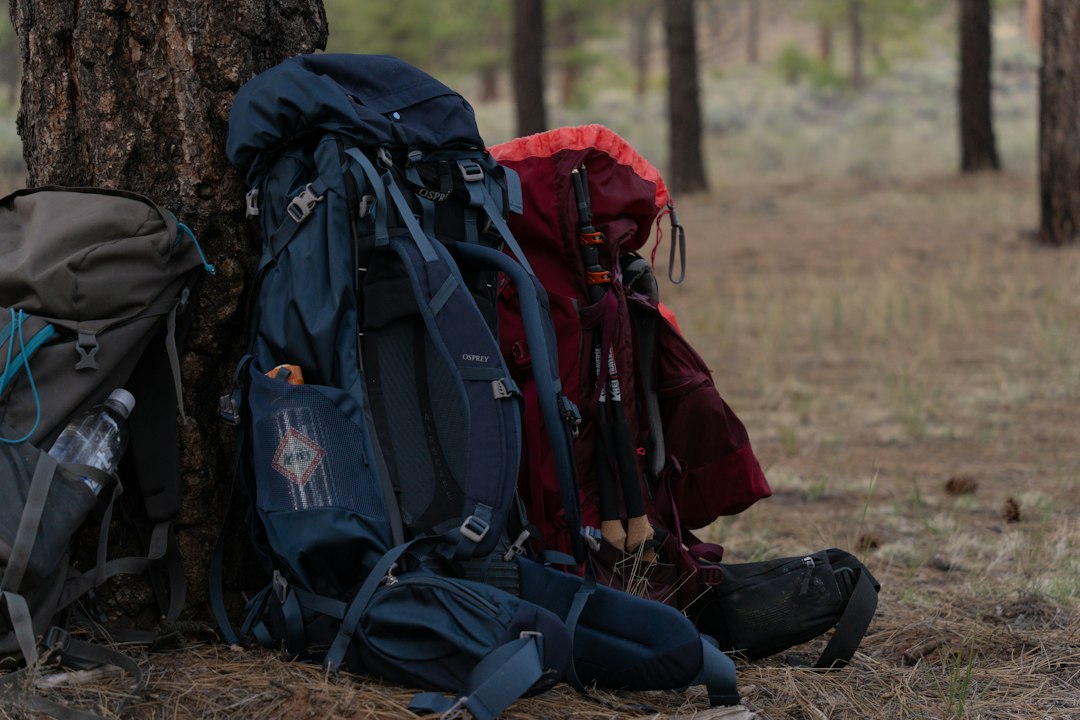
A reliable backpack is essential for carrying your gear. Look for one that is lightweight yet spacious enough to hold all your essentials. Features like padded shoulder straps, a hip belt, and multiple compartments can enhance comfort and organization on the trail.
When choosing a backpack, consider the duration of your hike. Daypacks are ideal for short excursions, while larger backpacks are necessary for longer trips. Make sure to test the pack with weight to ensure it feels comfortable and balanced on your back.
3. Hydration System
Consider also packing water purification tablets or a portable filter, especially if you plan to hike in remote areas. This way, you can refill your water supply from natural sources without worrying about contaminants.
4. Navigation Tools
Even the most well-marked trails can be confusing, so having navigation tools is essential. A reliable map and compass should be part of your hiking gear, as well as a GPS device or a smartphone with offline maps. Familiarize yourself with how to use these tools before you head out.
In addition to traditional navigation tools, consider downloading hiking apps that provide trail information, weather updates, and safety tips. These can be invaluable for both novice and experienced hikers, ensuring you stay on track and informed.
5. First Aid Kit
Accidents can happen, and being prepared with a first aid kit can make a significant difference. Your kit should include band-aids, antiseptic wipes, gauze, and any personal medications you may need. Make sure to check your kit regularly and replace any expired items.
In addition to basic supplies, consider including items like blister treatment and pain relievers. Knowing how to use the items in your first aid kit is just as important as having them, so take the time to familiarize yourself with basic first aid procedures.
Step-by-step plan:
Step 1: Assess your hiking needs and choose the right gear accordingly. Step 2: Invest in quality items that will last and enhance your hiking experience. Step 3: Familiarize yourself with your gear before hitting the trails. Step 4: Always prioritize safety and preparedness on your hikes.
6. Weather-Appropriate Clothing
Weather can change rapidly in the outdoors, so dressing in layers is key. Start with moisture-wicking base layers, add insulating layers for warmth, and finish with a waterproof outer layer. This approach allows you to adjust your clothing as conditions change.
Don’t forget accessories like hats, gloves, and sunglasses, which can protect you from the elements. Choosing the right materials, such as merino wool or synthetic fabrics, can help regulate your body temperature and keep you comfortable throughout your hike.
7. Trekking Poles
Trekking poles can provide stability and support on uneven terrain, reducing the strain on your knees and legs. They are particularly useful when navigating steep inclines or declines. Look for lightweight, adjustable poles that can be easily packed away when not in use.
Using trekking poles can also help improve your balance and posture while hiking. Take the time to learn the proper technique for using them to maximize their benefits and enhance your hiking experience.
8. Multi-tool or Knife
A multi-tool or a good quality knife can be invaluable on the trail. Whether you need to cut rope, prepare food, or make minor repairs, having the right tool at your disposal can save you time and effort. Look for a compact option that includes various tools without being too bulky.
Make sure to familiarize yourself with the tools included in your multi-tool and practice using them before your hike. This way, you’ll be prepared to tackle any situation that arises while you’re out in nature.
9. Emergency Whistle
An emergency whistle is a small but powerful tool that can be a lifesaver in critical situations. It’s lightweight, easy to carry, and can be heard from a distance, making it an essential item for any hiker. Attach it to your backpack or gear for easy access.
In case you get lost or need assistance, blowing a whistle can alert others to your location far more effectively than shouting. It’s a simple addition to your gear that can enhance your safety on the trail.
10. Portable Charger
In today’s digital age, a portable charger is a must-have for any hiker. Keeping your phone charged ensures you can use it for navigation, emergencies, or capturing memories along the way. Look for a lightweight, compact charger that can easily fit in your backpack.
Before your hike, make sure to charge your devices fully and consider downloading offline maps and emergency contacts. This preparation can provide peace of mind and ensure you stay connected while enjoying the great outdoors.